
TarnaJoule sunshine stored for winter
In summer, solar panels power the biomass processing plant; in winter, the boilers burn locally produced wood chips. Solar energy is stored in the fuel.
Tarnabod, with 600 residents, has neither a natural gas connection nor a district heating system. TarnaJoule offers a consumer- and climate-friendly supply model based on local resources for the village's institutions and residents.
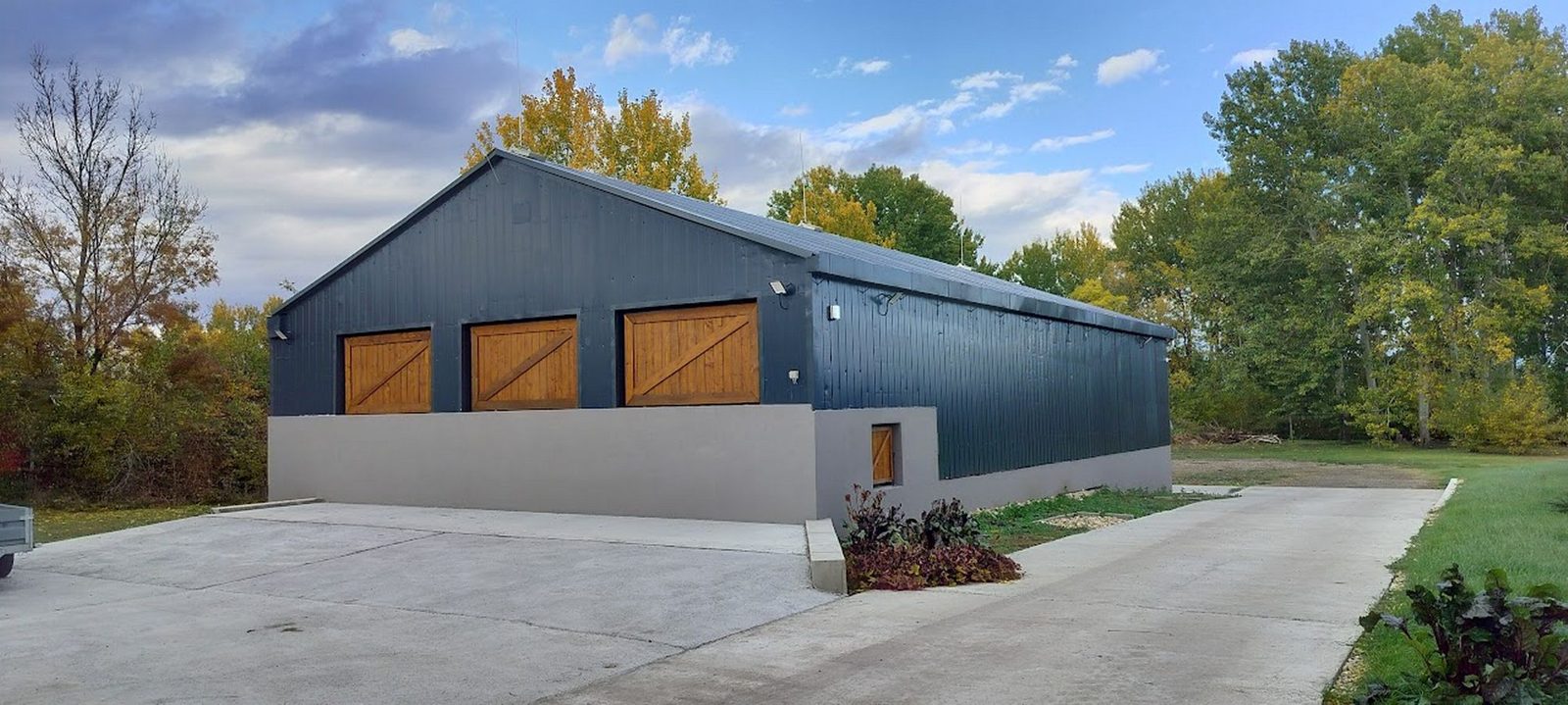
Summer sunshine in winter fuel
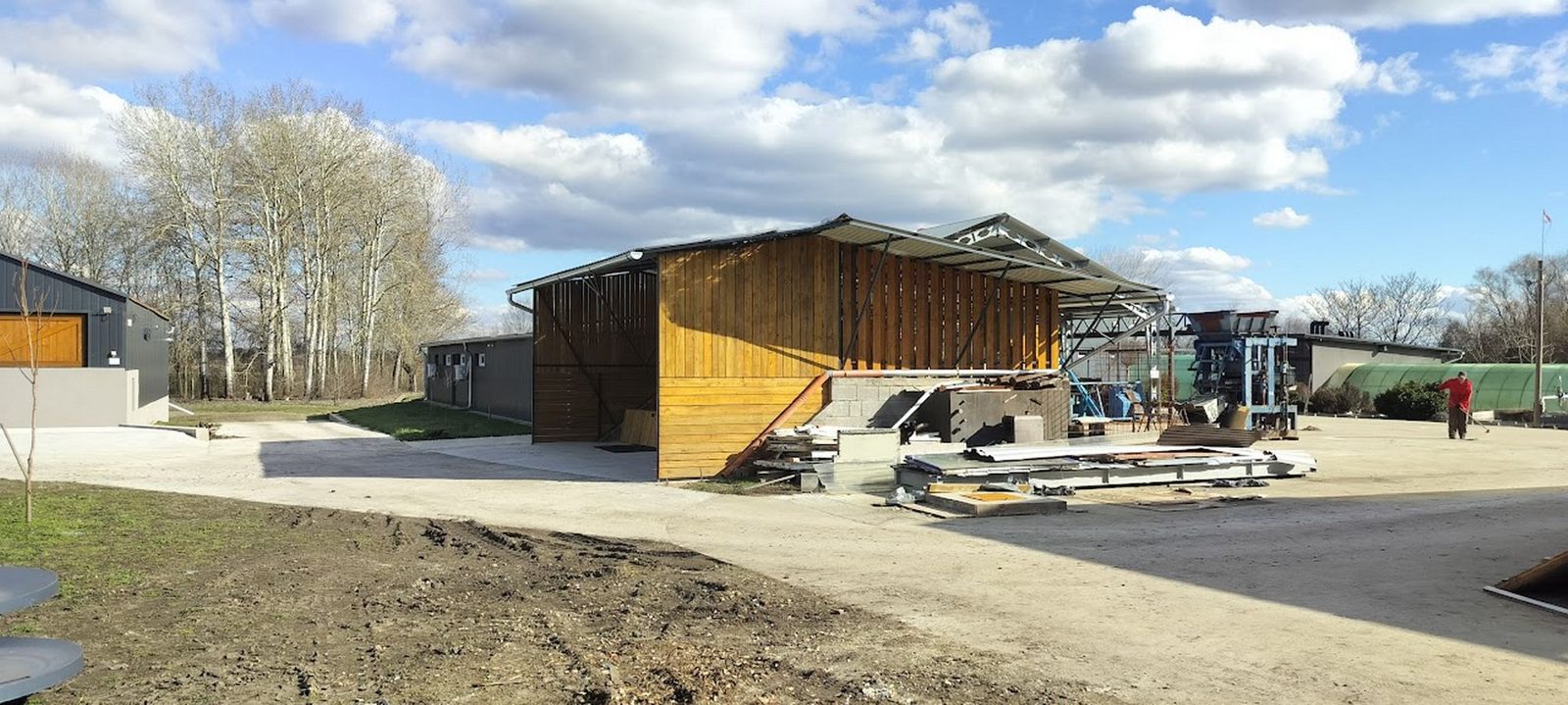
Biomass is grown and processed in summer using machinery powered by a solar park. The plant produces wood chips and briquettes for winter use in the boiler house and households.
Summer – production
- Local biomass collectionagricultural and municipal trimmings, energy crops
- Solar electricity2 × 65 kWp for processing equipment, with battery stabilisation
- Chipping, drying and briquettingpassive solar dryer, chipper, hydraulic briquette press
Winter – heating
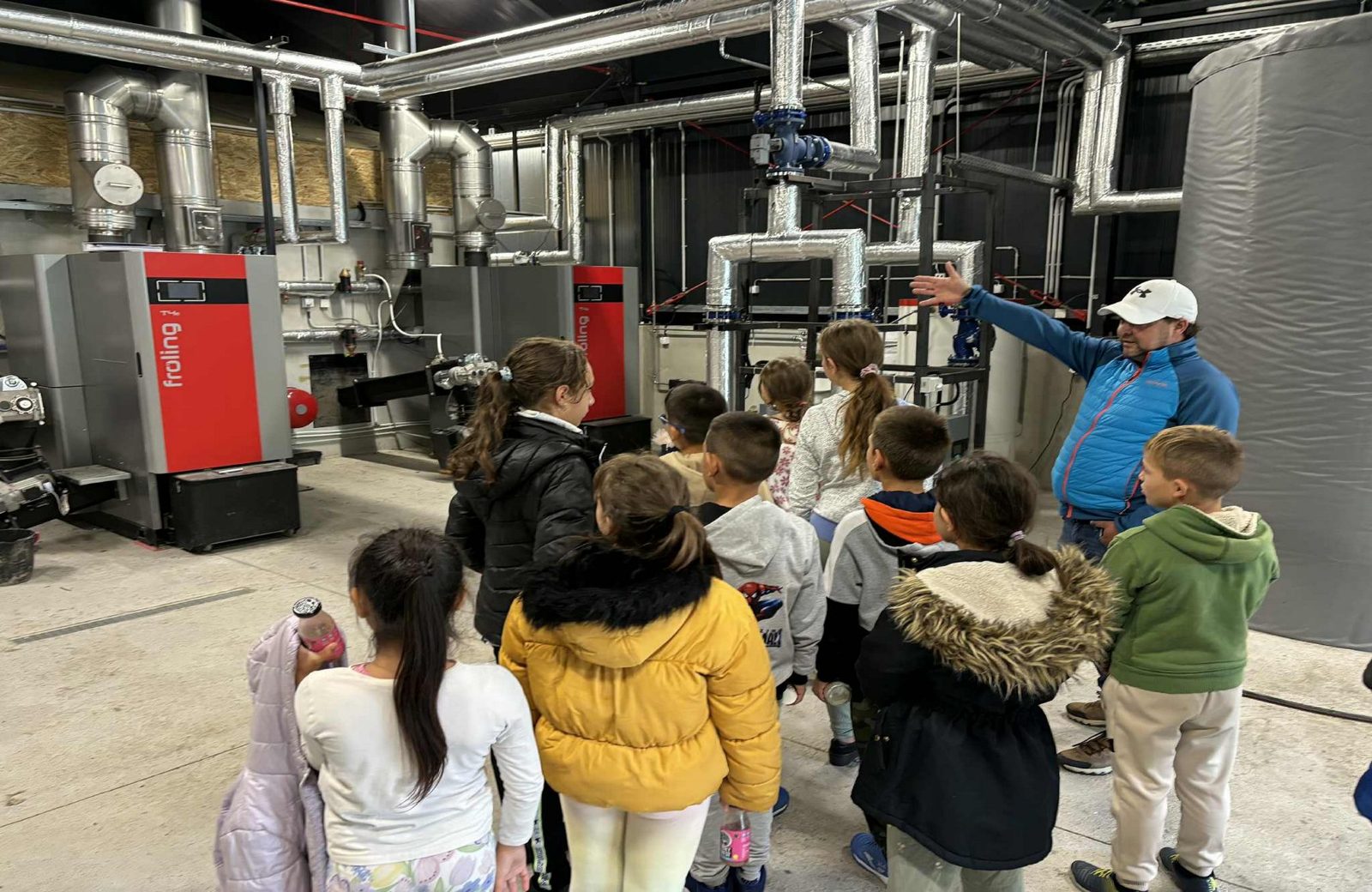
- Wood chips in the boilerhigh-efficiency, low-emission Fröling T4e boilers
- Buffer tanksbalance demand; the controller selects the cheapest and cleanest source
- District heating and briquettes1.6 km network for institutions, briquettes for unconnected households
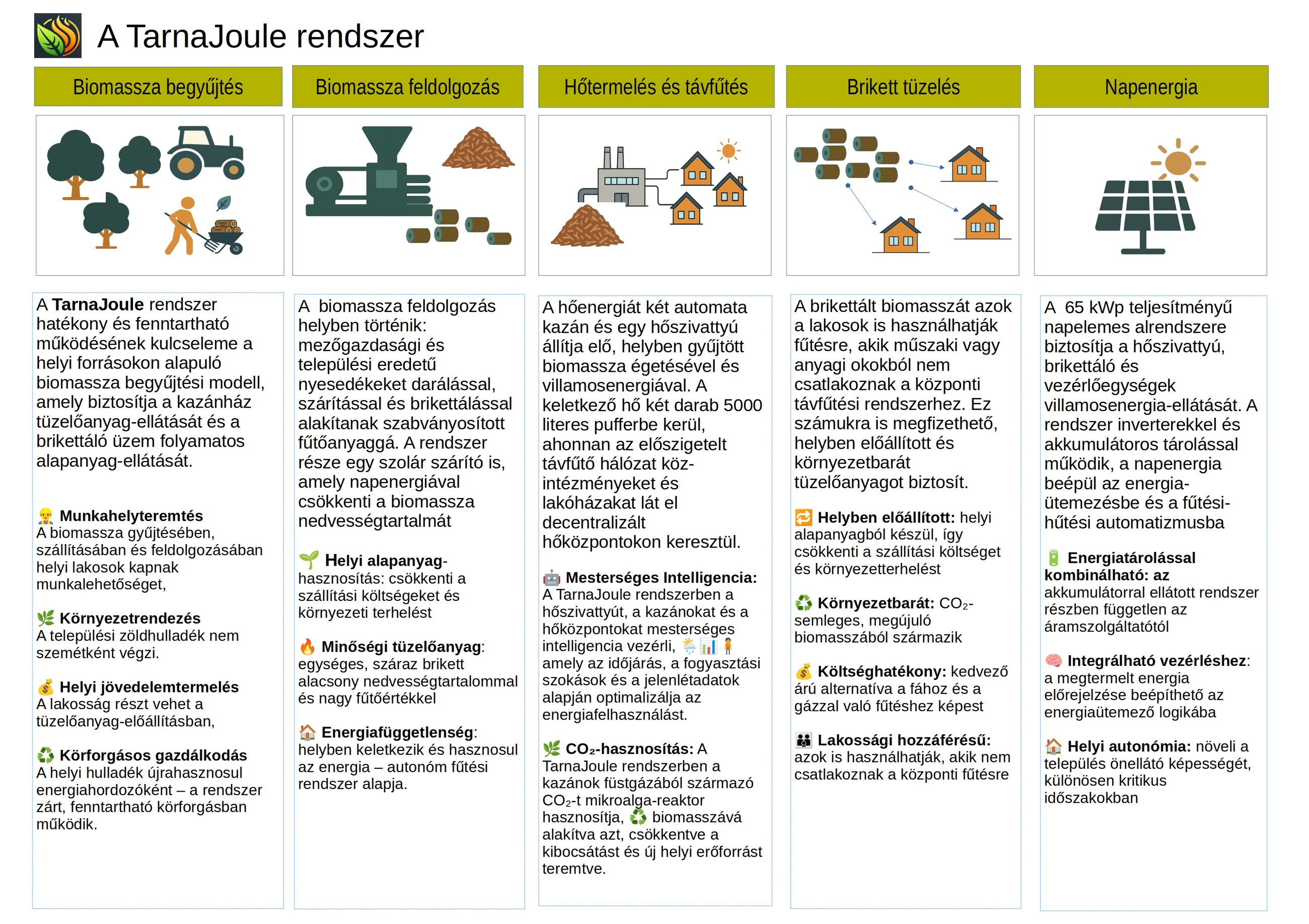
Production, storage, distribution, control
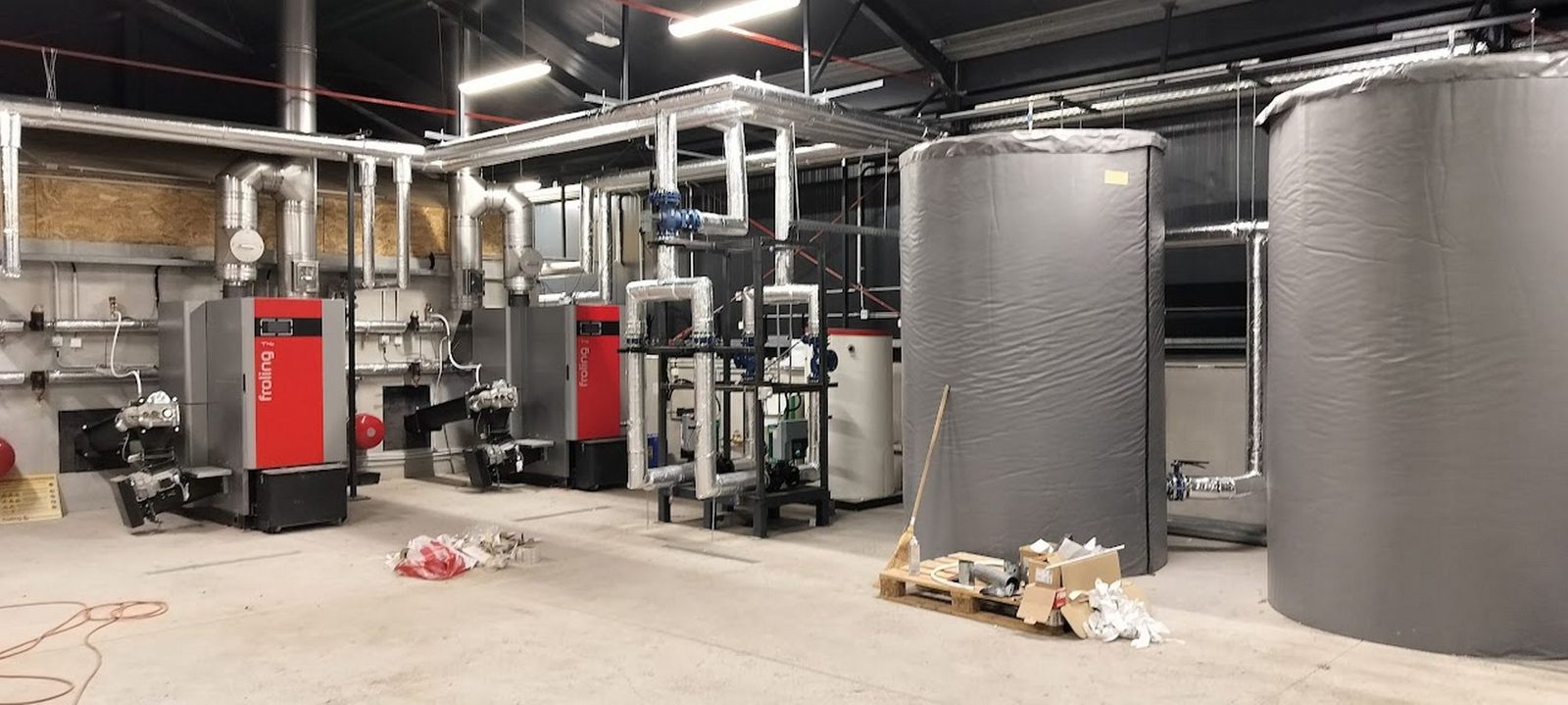
Biomass heating plant
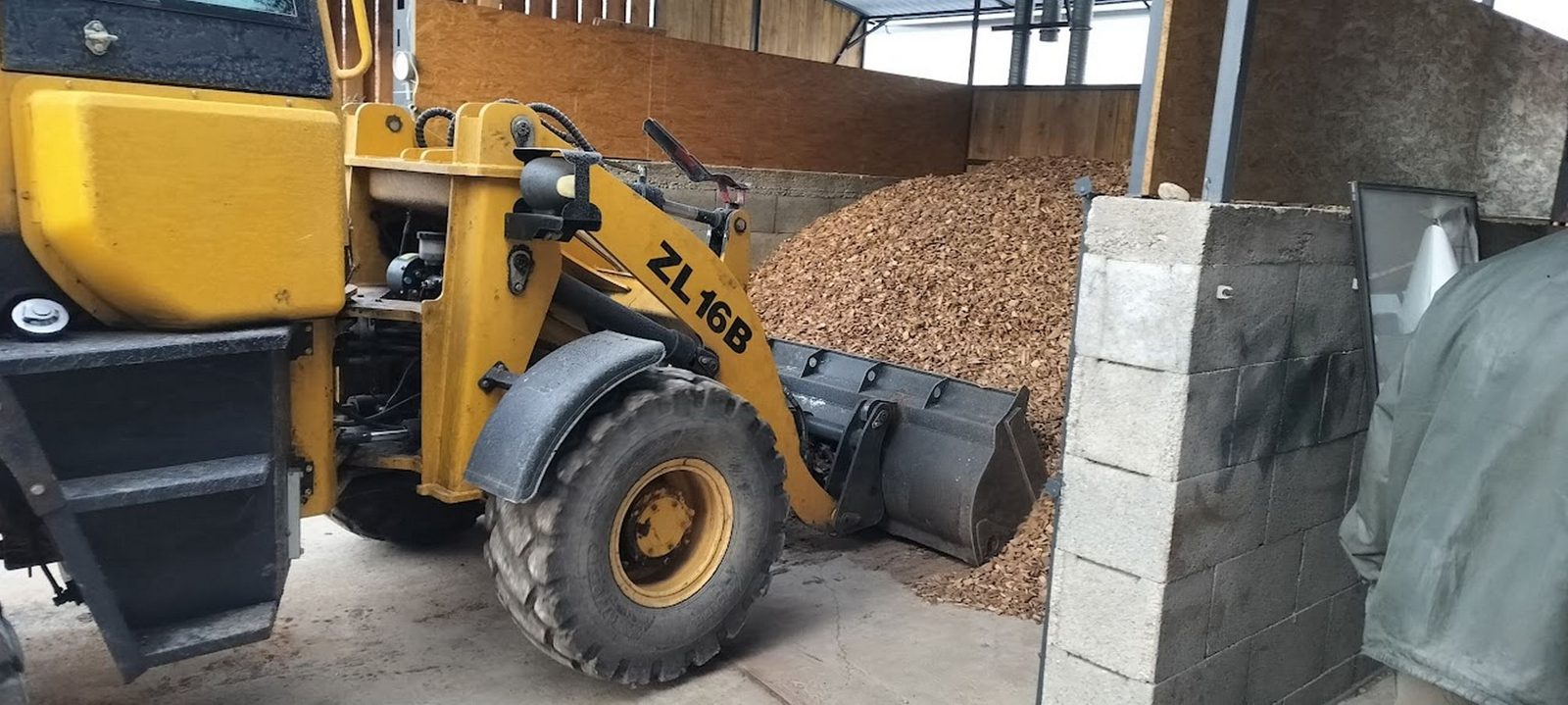
The central heating plant uses 130 kW Fröling T4e wood-chip boilers fuelled by locally produced chips. They supply heat to village institutions, and later connected homes, with high efficiency and low emissions.
Biomass production – chipping, briquetting and drying – creates local jobs.
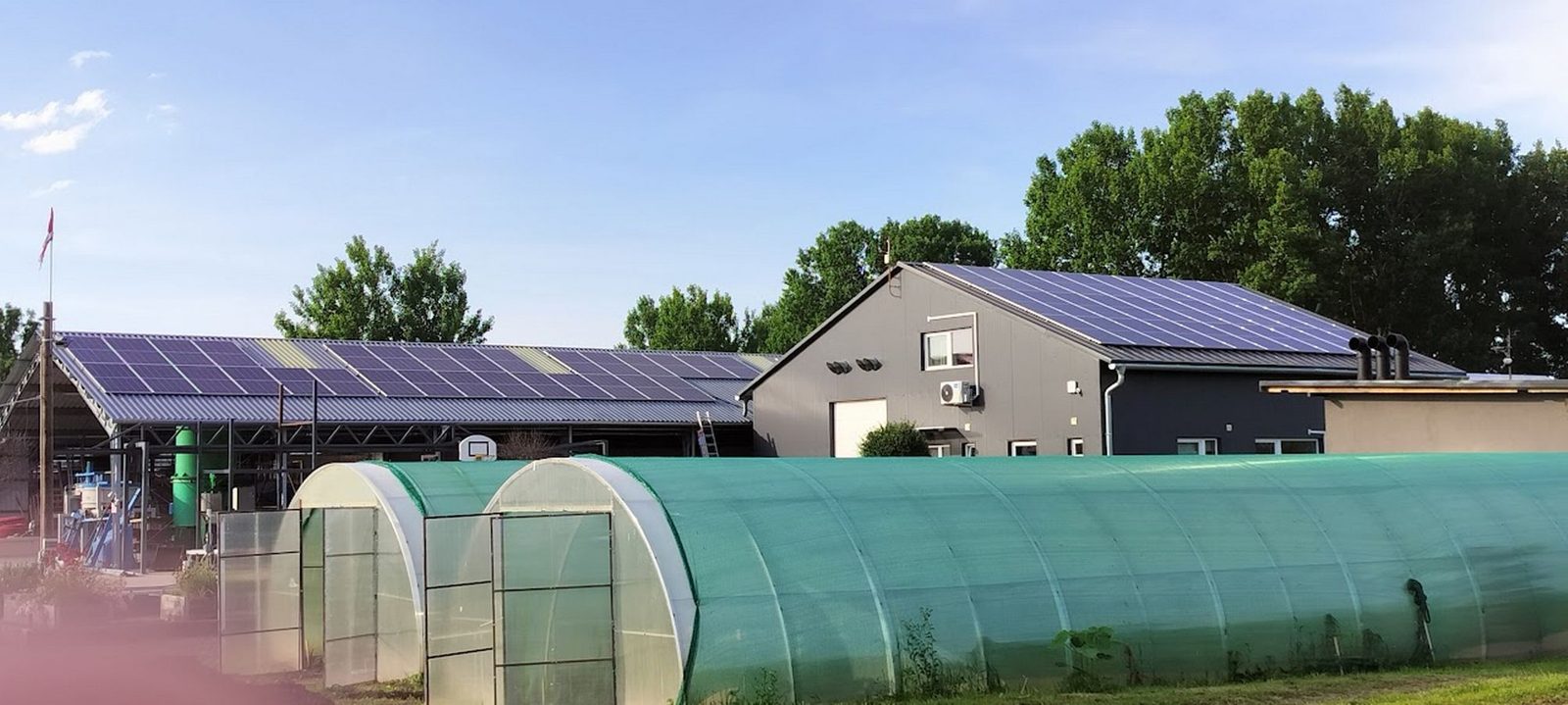
Solar PV and energy storage
Two 65 kWp solar PV systems cover a substantial share of the electricity demand of the biomass processing plant and heat pumps. Batteries stabilise the system, reduce grid dependence and allow solar energy to be used later.
District heating pipes and decentralised substations
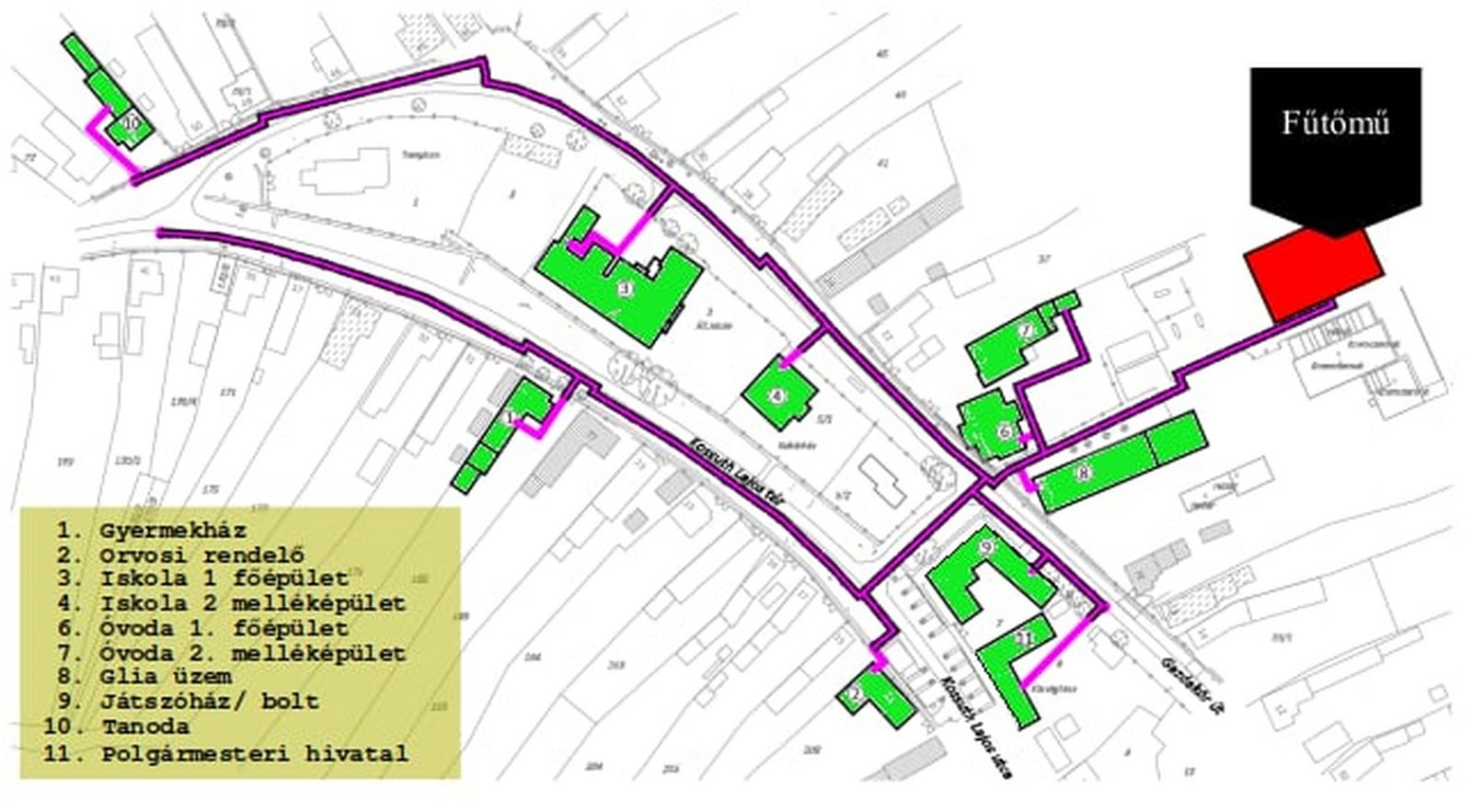
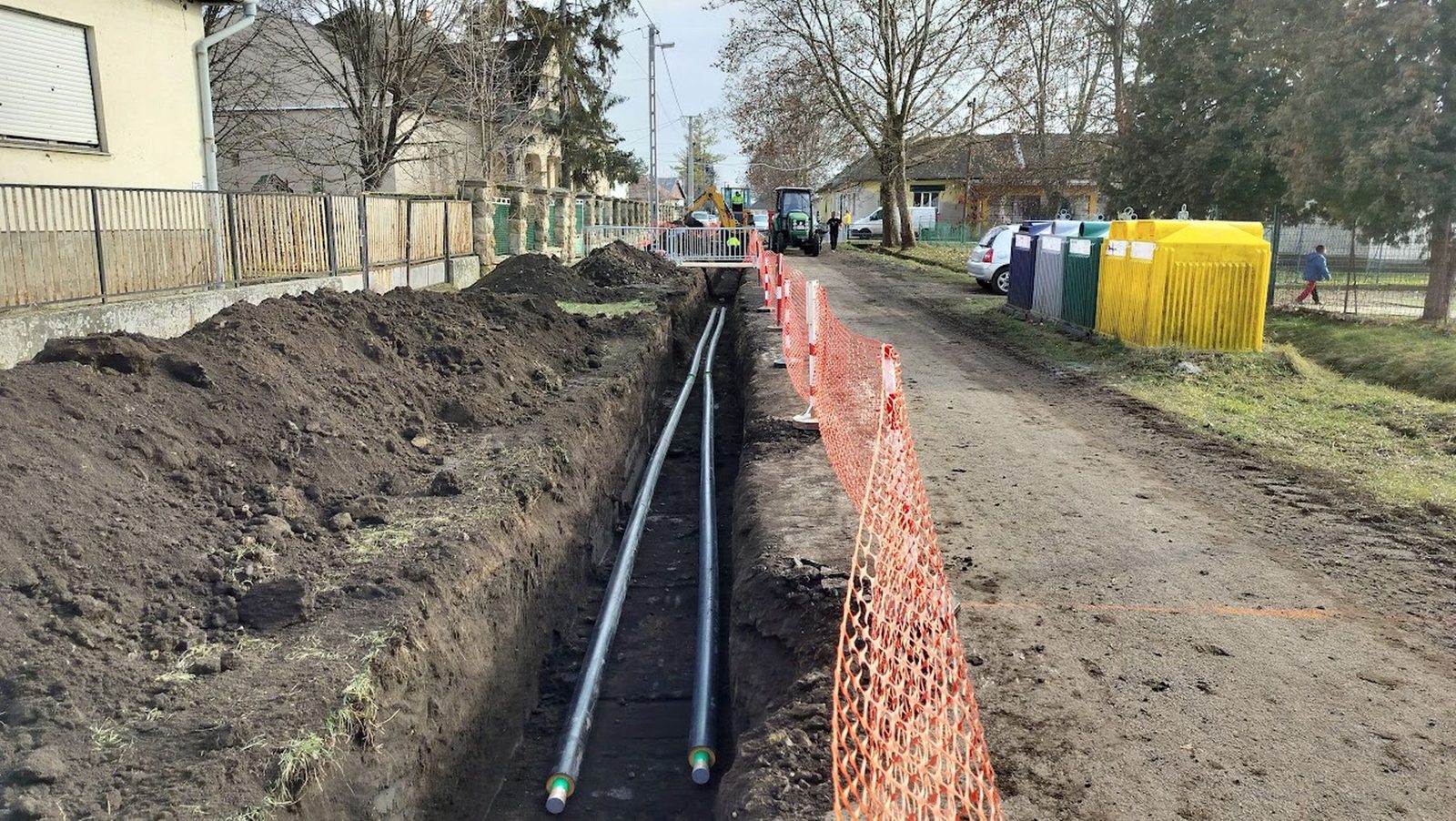
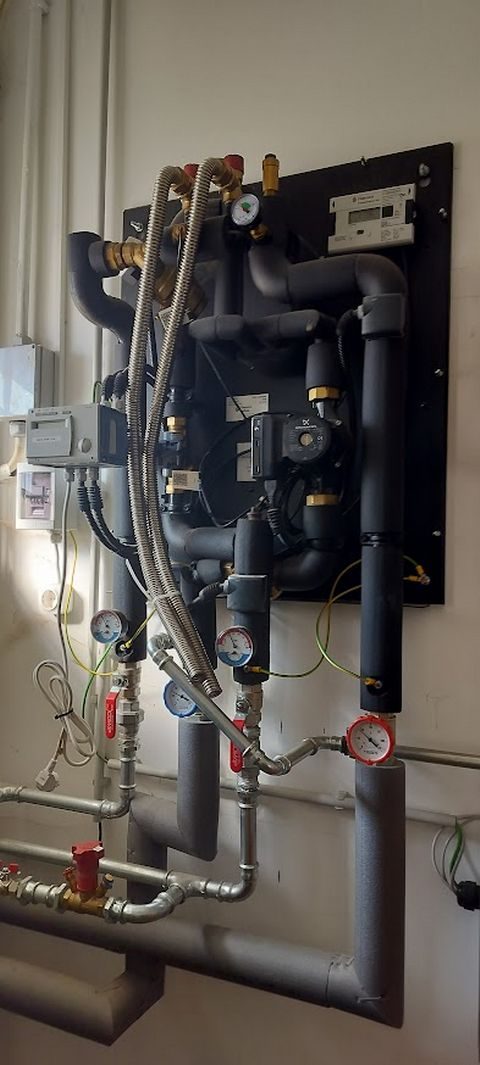
Institutions connect to a 1.6 km, closed-loop, pre-insulated twin-pipe system. Building substations use heat exchangers, heat meters and automatic controls for transparent consumption, fair cost allocation and efficient energy use.
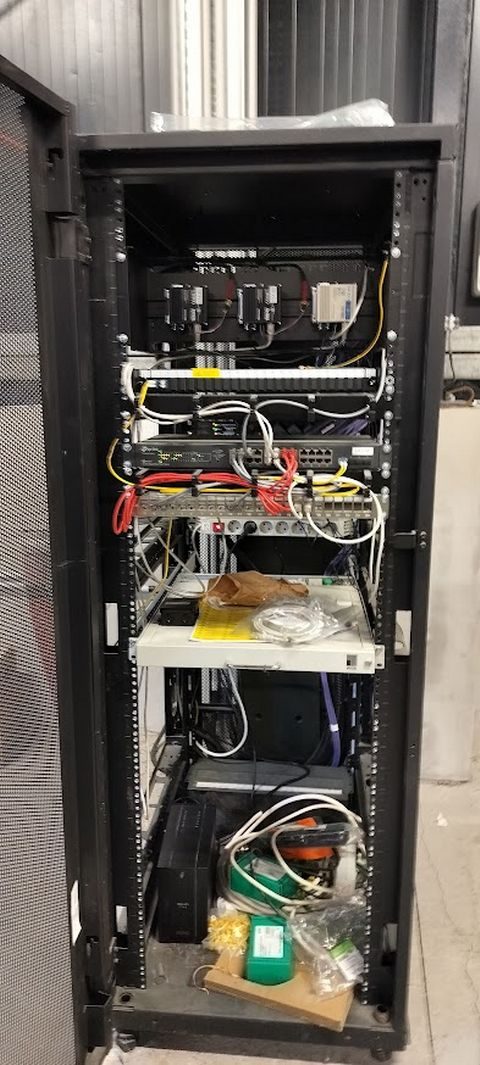
Data acquisition and control network
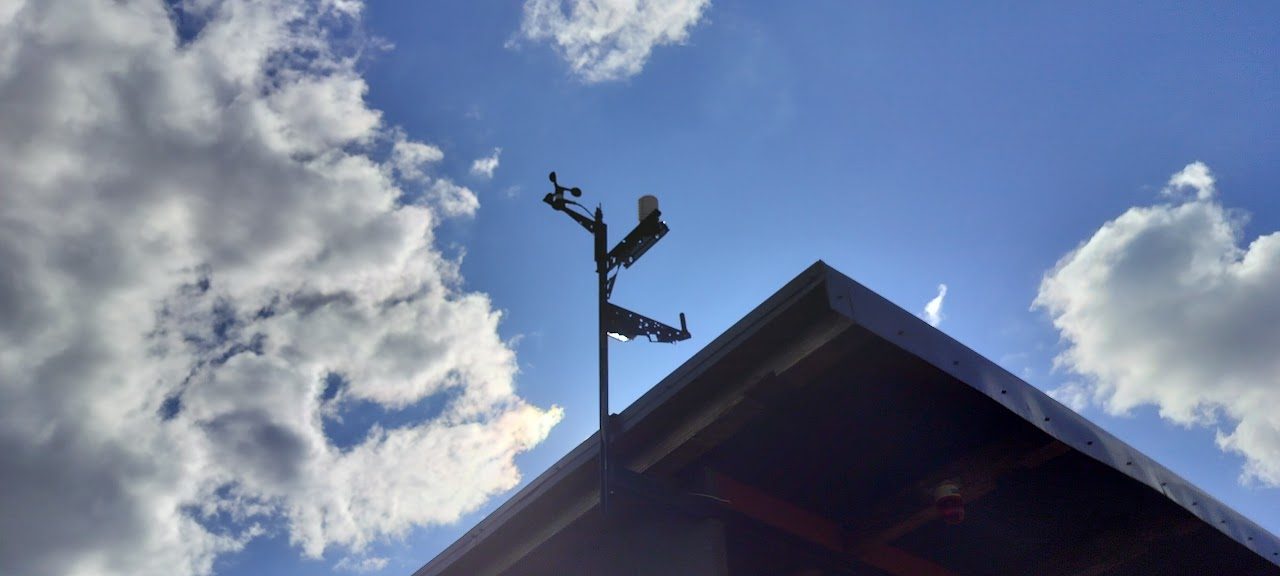
A complex digital infrastructure collects data and intervenes in real time. Predictive algorithms calculate optimal operation from weather forecasts and consumption patterns.
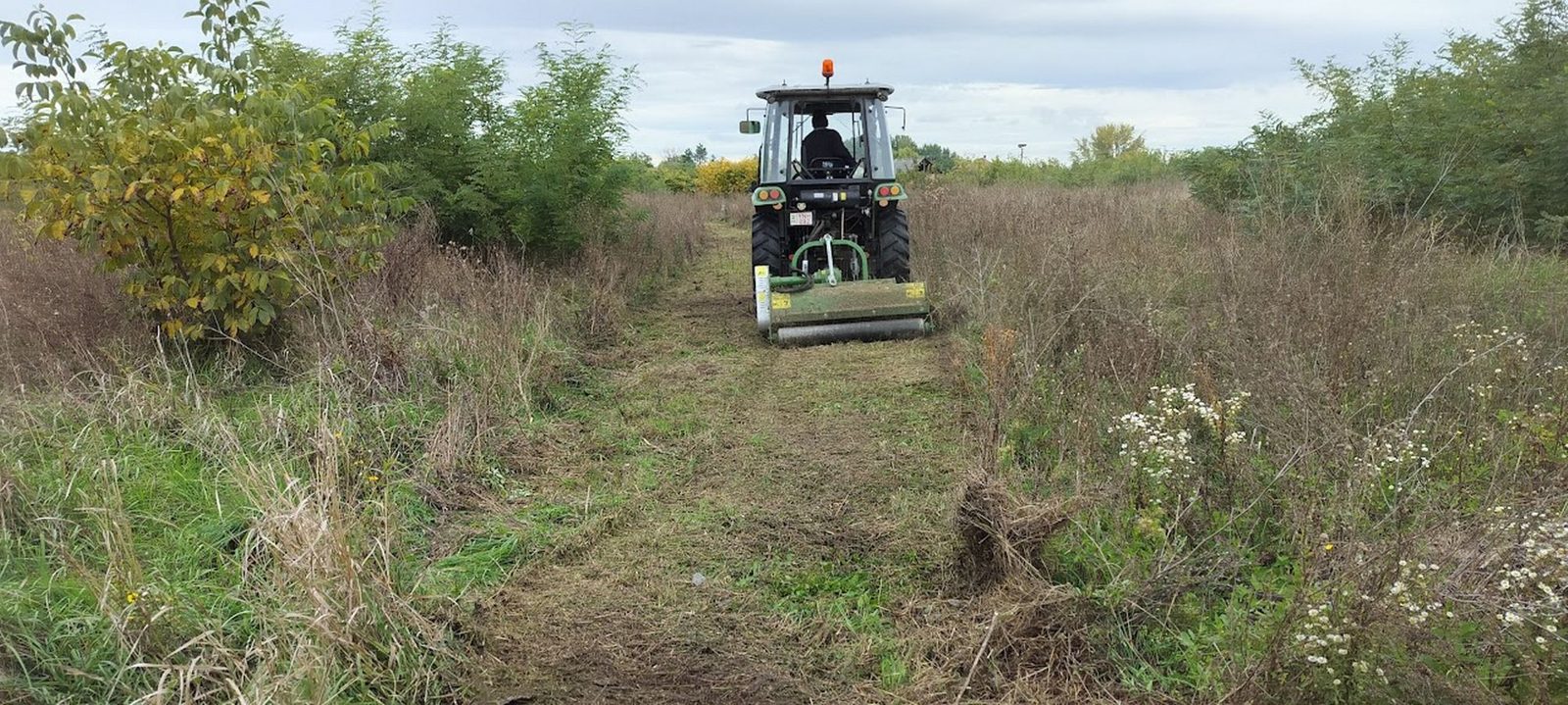
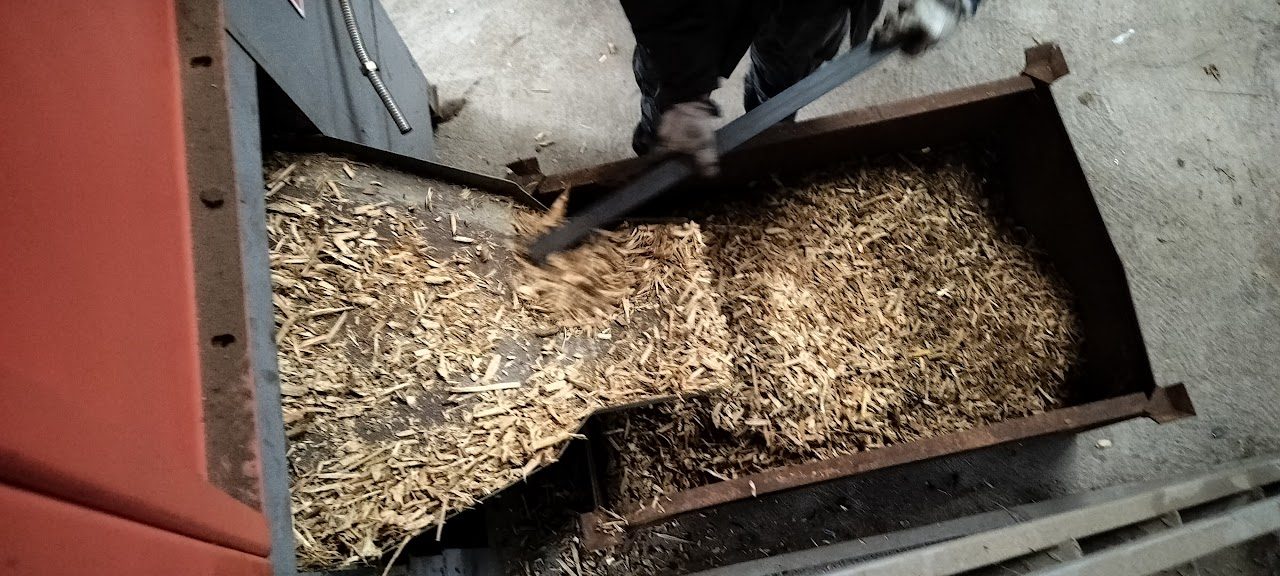
From collection to briquettes
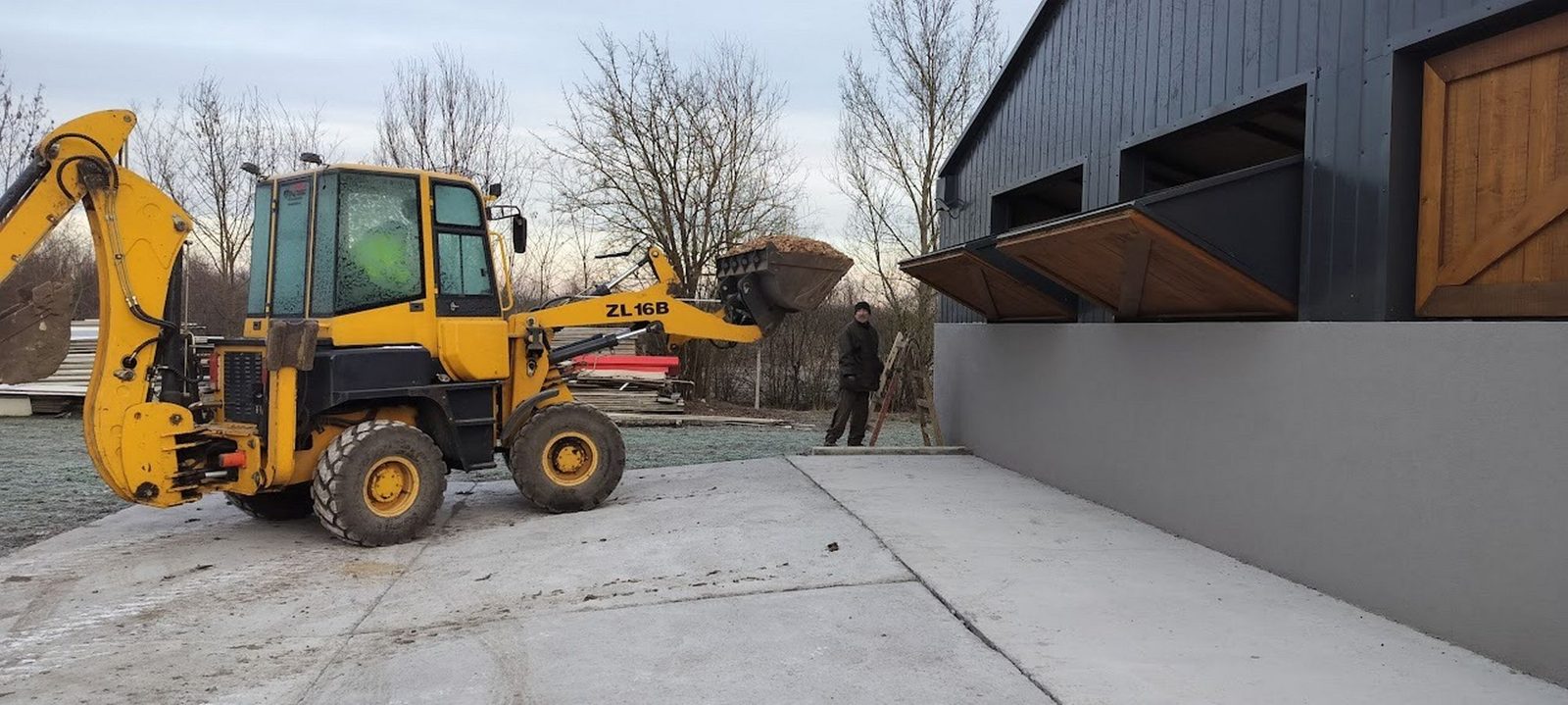
The entire fuel supply chain remains in the village: collection, chipping, drying and storage are all performed locally.
Clean fuel for those not connected
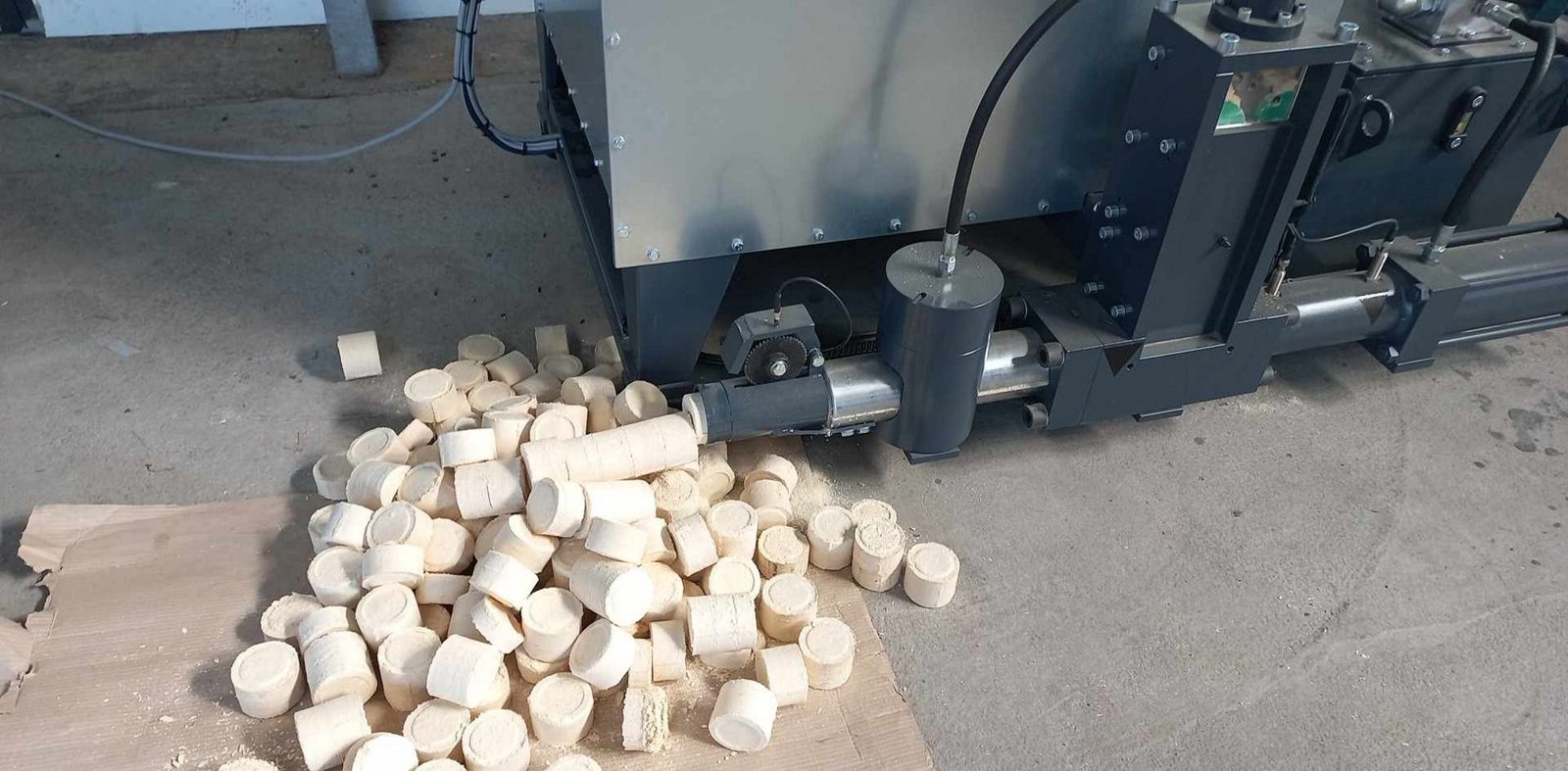
Alongside the central heating plant, TarnaJoule offers a solution for those unable to connect to the district heating network for technical, geographical or social reasons. Locally produced, high-quality biomass briquettes provide an accessible, predictable and environmentally friendly heating alternative.
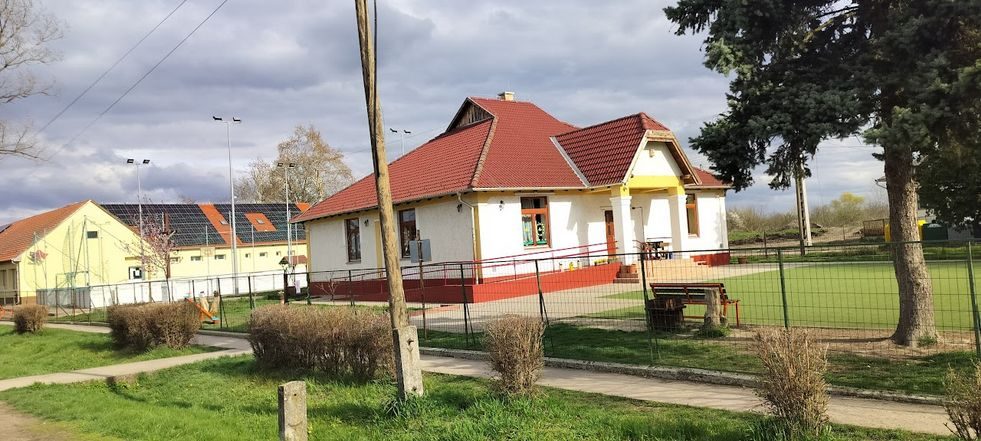
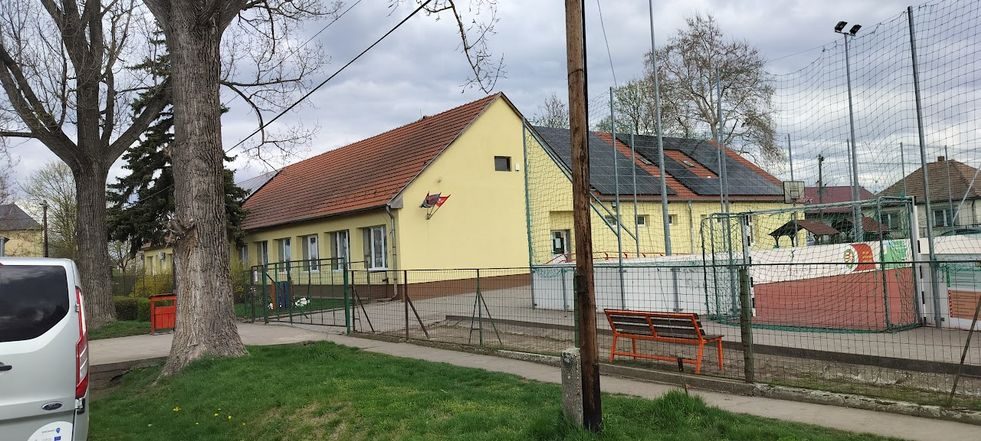
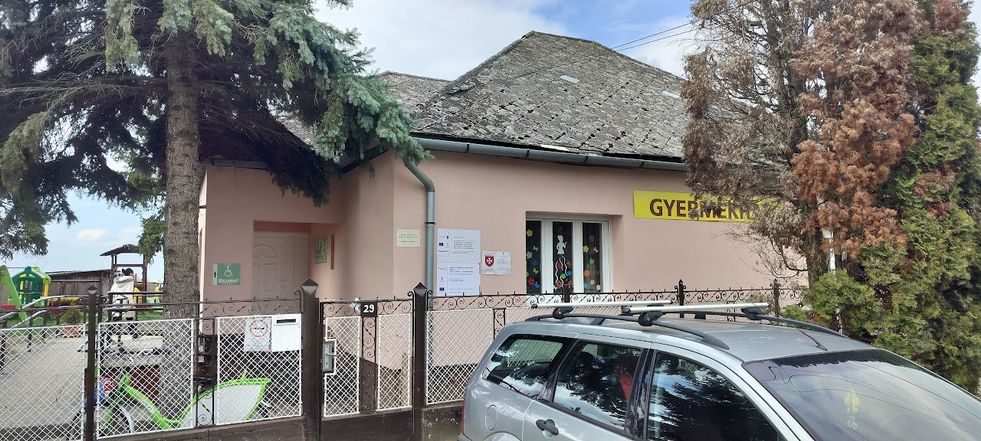
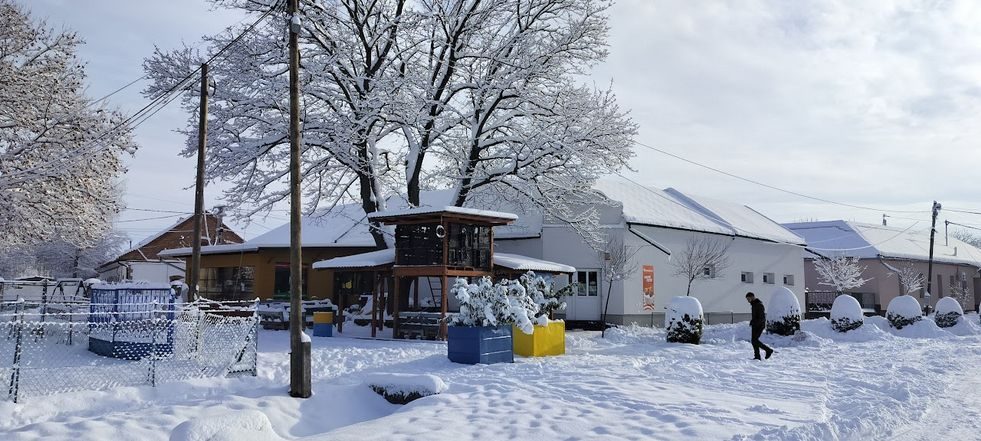
Connected buildings
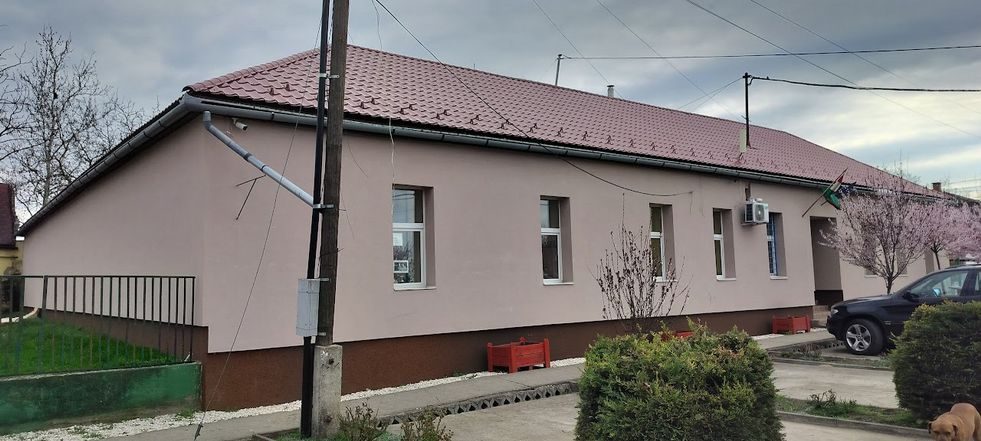
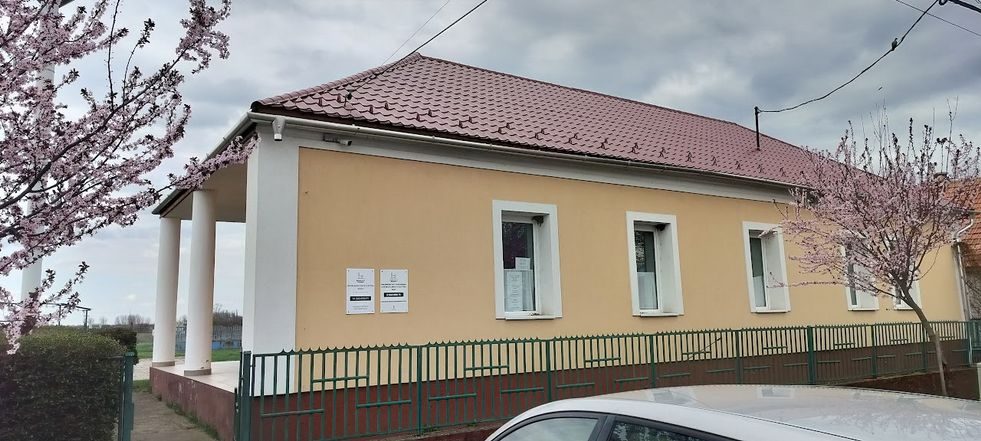
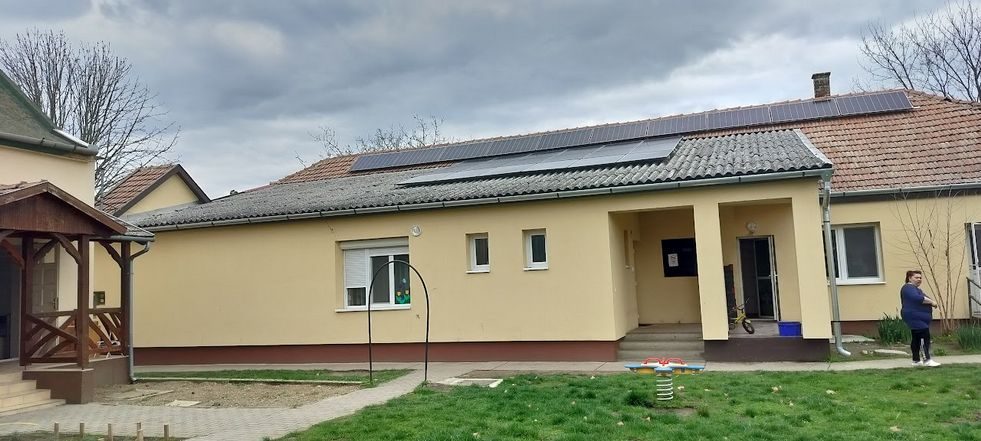
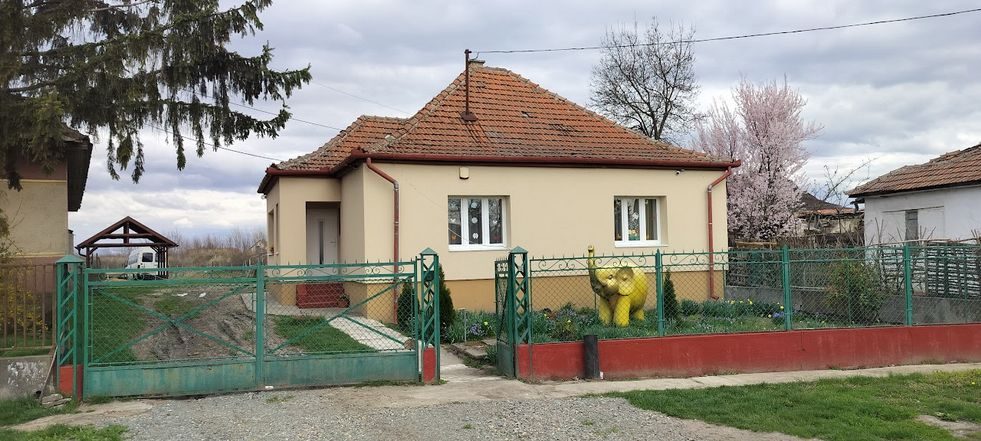
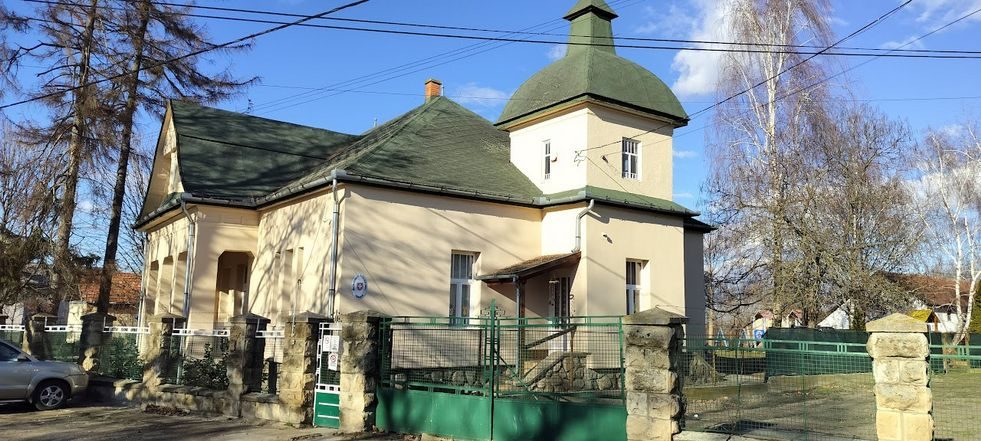
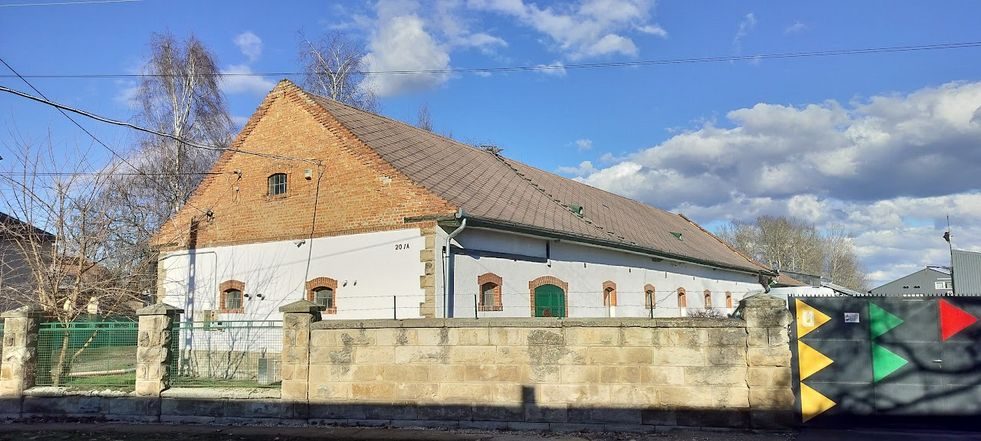
These interventions are not isolated renovations but part of a unified concept: preparing key village buildings for locally sourced renewable heat, connecting them to the district heating system, substations and intelligent energy management.
| Building | Address | Parcel no. |
|---|---|---|
| Children's centre | 3369 Tarnabod, Kossuth Lajos utca 29. | 182 |
| Primary school main building | 3369 Tarnabod, Kossuth Lajos tér 3. | 3 |
| School annex | 3369 Tarnabod, Kossuth Lajos tér 3. | 5/1 |
| Medical clinic | 3369 Tarnabod, Kossuth Lajos utca 11. | 208 |
| Mayor's office | 3369 Tarnabod, Kossuth tér 7. | 8 |
| Learning centre | 3369 Tarnabod, Gazdakör út 52. | 75 |
| Dismantling plant | 3369 Tarnabod, Gazdakör út 20/a. | 36/5 |
| Kindergarten manor building | 3369 Tarnabod, Gazdakör út 20/b. | 36/6 |
| Kindergarten annex | 3369 Tarnabod, Gazdakör út 20/c. | 36/4 |
| Play centre / canteen / shop | 3369 Tarnabod, Kossuth Lajos tér 5. | 7 |
The system's "brain"
TarnaJoule does more than produce energy: it interprets and makes decisions. Real-time monitoring collects hundreds of data points on temperature, consumption, weather, network load and indoor comfort.
This digital management enables Tarnabod to operate as a village-scale smart grid.
- forecasts consumption peaks
- optimises pump speeds
- automatically switches between biomass and heat pumps
- identifies energy surpluses or losses
- automatically raises alarms on faults
Technical development and social innovation
Job creation
Biomass processing, briquetting, chipping and greenhouse work offer permanent or seasonal employment. For local families, this is the first real labour market alternative in decades.
Energy independence
Public institutions' winter heating costs decrease significantly, and the village's energy supply becomes more predictable. The briquette programme provides residents with affordable, clean fuel.
Community participation
Under the Maltese Charity's Presence model, residents help operate the system, strengthening responsibility and self-esteem. The community already sees TarnaJoule as its own project.
More than heating
The programme is both an energy and an environmental development initiative.
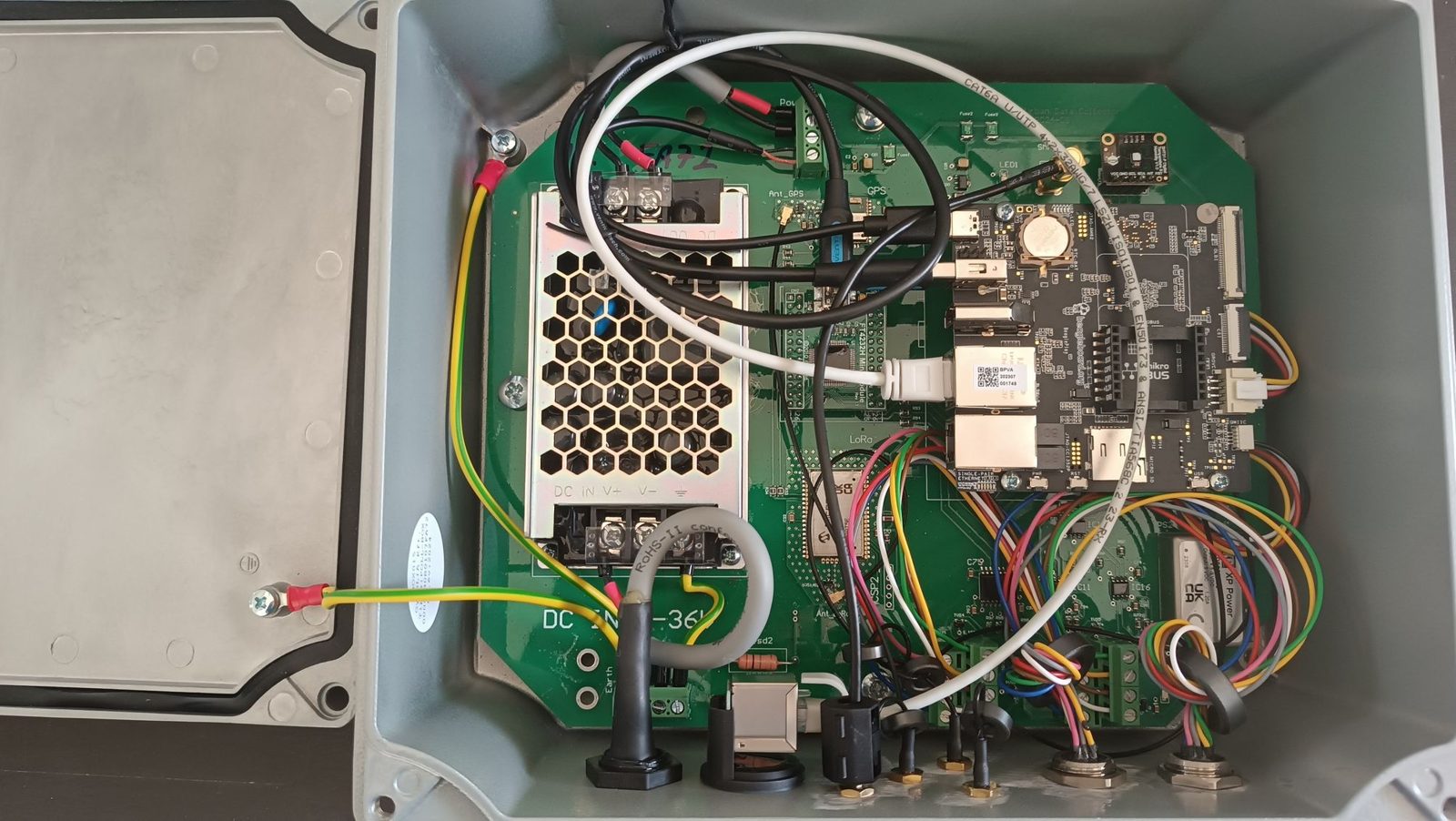 Monitoring
Flue gas and air quality
Three outdoor stations and a boiler-house flue gas monitor continuously track environmental and combustion parameters; data are displayed in real time on the central server.
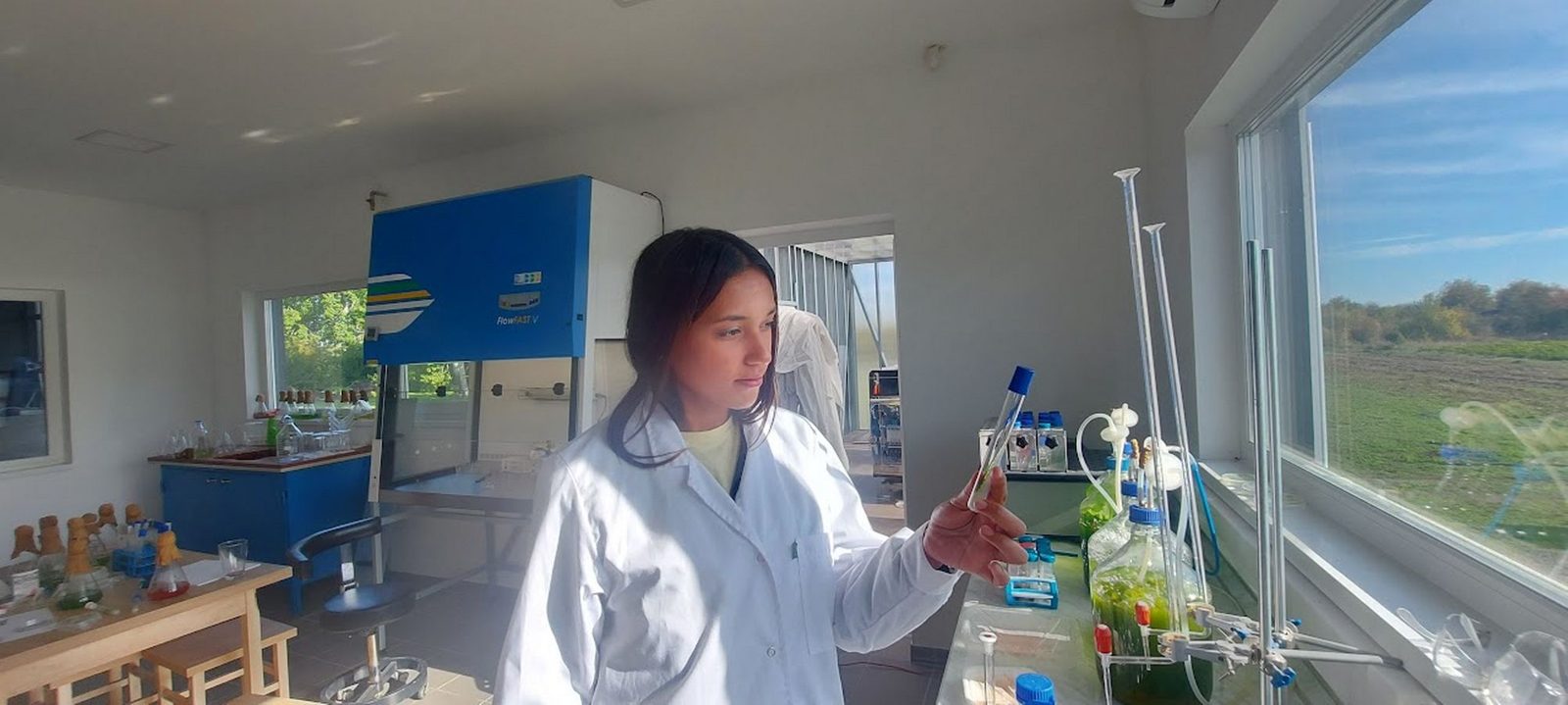 CCU
Microalgae-based CO₂ utilisation
A photobioreactor uses a portion of the boiler flue gas: algae capture CO₂ and produce valuable biomass. This is utilisation (CCU), not storage (CCS), and the experimental module is designed not to jeopardise heat supply.
Wi-Fi-based occupancy monitoring
The existing Wi-Fi network acts as a sensor: anonymous device counts (MQTT/API) dynamically regulate heating and ventilation, avoiding heating empty spaces. It is cost-effective and GDPR-compatible.
Passive–active cooling system
A windcatcher tower, solar chimney and ground cooling combine to provide natural ventilation without fans. During heatwaves, the heat pump and biofiltration cooling activate.
A model for other communities
TarnaJoule demonstrates that even a disadvantaged community can operate a cutting-edge energy system when it is combined with social programmes and local capacity building.
Decentralised energy systems:
- reduce energy dependence
- improve quality of life
- strengthen the local economy
- reduce emissions
- provide a model for other communities